Bitmain Antminer DR7, DR5, DR3
|
ASIC Model series:
|
ASIC Release: |
Hashrate:
|
ASIC Power:
|
|
ASIC Algo:
|
 Bitmain Antminer DR7 Bitmain Antminer DR7 |
Jun 2024 |
127Th/s
|
2730W
|
 |
Blake256R14
|
|
Bitmain Antminer DR5 |
Sep 2021 |
35Th/s
|
1610W
|
|
Blake256R14-dcr
|
|
Bitmain Antminer DR3 |
Sep 2018 |
7.8Th/s
|
1410W
|
|
Blake256R14-dcr
|
Modified ASIC Firmware for Antminer DR series
(13-18% improvement) download here
ASIC Antminer DR3
The Bitmain Antminer DR3 was one of the first widely adopted ASIC miners dedicated to the Blake256R14-dcr algorithm. At the time of its release, it represented a significant step forward in Decred mining efficiency and effectively ended GPU and FPGA competitiveness on the Decred network.
This model is based on air cooling, uses a traditional Antminer chassis design, and is intended for continuous 24/7 operation. While it is no longer considered cutting-edge hardware, it can still be used profitably in environments with low electricity costs or where waste heat can be reused.
Before deploying the DR3, operators must consider its higher energy consumption per unit of hashrate compared to newer models, as well as increased noise levels typical for older air-cooled ASICs.
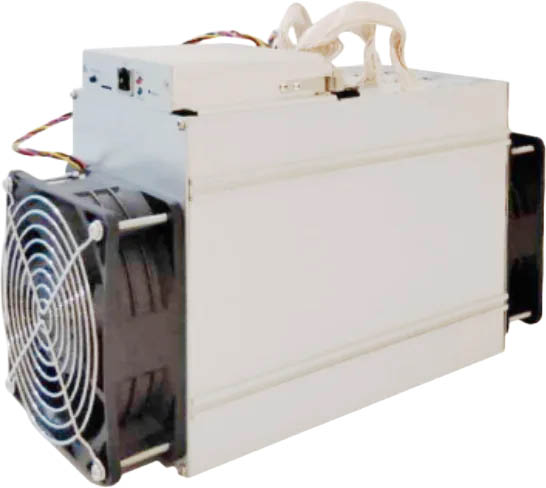
ASIC Antminer DR3
Antminer DR3 – Technical Data:
-
Algorithm: Blake256R14-dcr
-
Supported coin: Decred (DCR)
-
Hashrate: ~7.8 TH/s
-
Power consumption: ~1,410 W
-
Energy efficiency: ~180 J/TH
-
Cooling: Air cooling (high-RPM fans)
-
Noise level: High (suitable for industrial environments)
-
Release date: 2018
-
Typical use case: Budget Decred mining, low-cost electricity locations
ASIC Antminer DR5
The Bitmain Antminer DR5 is the most powerful and efficient ASIC miner ever released for the Blake256R14-dcr algorithm. It was designed to replace earlier generations such as the DR3 and significantly improved both raw performance and energy efficiency.
The DR5 is built for professional mining farms and hosting facilities, where stable power delivery and proper cooling are available. Thanks to its much higher hashrate, it remains competitive even as network difficulty increases.
Although it consumes more absolute power than the DR3, the DR5 delivers far better performance per watt, which makes it more suitable for long-term Decred mining strategies.
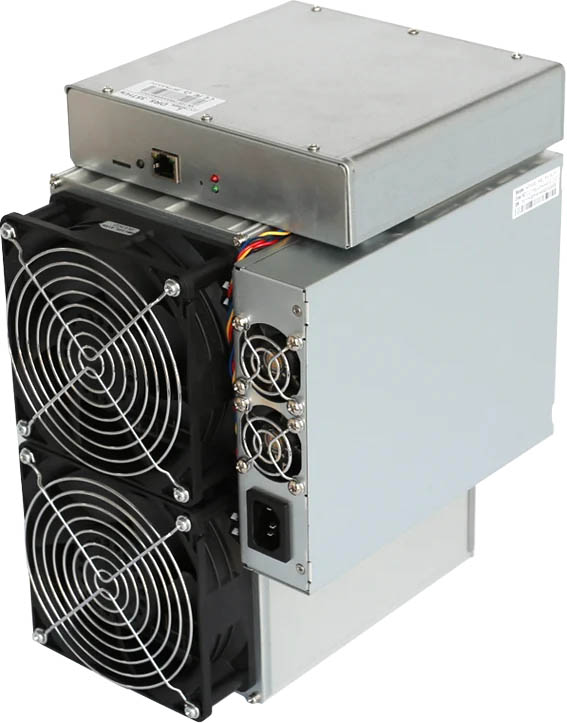
ASIC Antminer DR5
Antminer DR5 – Technical Data:
-
Algorithm: Blake256R14-dcr
-
Supported coin: Decred (DCR)
-
Hashrate: ~34 TH/s
-
Power consumption: ~1,800 W
-
Energy efficiency: ~53 J/TH
-
Cooling: Air cooling (industrial-grade fans)
-
Noise level: High (data center / mining farm use)
-
Release date: 2020
-
Typical use case: Professional Decred mining, long-term operation
Generational Efficiency Comparison (DR3 vs DR5)
When comparing both models from a practical mining perspective, the generational improvement is very clear. The Antminer DR5 delivers more than four times the hashrate of the DR3 while consuming only moderately more power.
This means:
-
Lower operating cost per mined DCR
-
Better resistance to network difficulty growth
-
Longer usable hardware lifespan
For miners paying standard industrial electricity prices, the DR5 is usually the only economically viable option today, while the DR3 is limited to very specific conditions.
Expected Lifespan and Operational Reality ASIC Antminer DR3, DR5
Both the DR3 and DR5 are designed for long-term operation. With proper cooling, clean power, and routine maintenance, real-world lifespan commonly reaches 3–5 years or more.
Key factors influencing longevity include:
-
Ambient temperature
-
Dust and humidity levels
-
Power stability
-
Fan and PSU maintenance
Because Decred network growth is relatively stable, DR-series miners often remain usable longer than comparable SHA-256 ASICs.
ASIC Antminer DR7
The ASIC Antminer DR7 is a high-performance ASIC miner developed by Bitmain, specifically engineered for the Blake256 mining algorithm. It represents a new generation of ASIC hardware optimized for efficiency, stability, and sustained hash power in professional mining environments.
Unlike GPU or FPGA solutions, the Antminer DR7 ASIC is purpose-built for a single algorithm, allowing it to achieve significantly higher performance per watt and consistent long-term operation.
What Is Antminer DR7 ASIC?
The Antminer DR7 ASIC is a dedicated cryptocurrency mining machine designed to mine Blake256-based cryptocurrencies, primarily ScPrime (SCP). It is not a multi-algorithm device and cannot be repurposed for SHA-256, Equihash, or Kadena-based networks.
The DR7 is targeted at industrial-scale miners and hosting facilities with access to low-cost electricity and professional cooling infrastructure.
Mining Algorithm Used by ASIC Antminer DR7
The ASIC Antminer DR7 operates exclusively on the Blake256 algorithm.
Blake256 is a cryptographic hashing algorithm known for:
-
High throughput
-
Low latency
-
ASIC-friendly structure
-
Strong security properties
While Blake256 was historically used by several coins, today the primary mineable coin using DR7 ASIC hardware is ScPrime (SCP).
Coins Mined With Antminer DR7 ASIC
-
ScPrime (SCP) – main supported coin
-
Other minor or forked Blake256-based projects (low liquidity)
⚠️ Note: Decred (DCR), which originally used Blake256, has transitioned away from PoW mining, making it incompatible for active DR7 mining.
Antminer DR7 ASIC
The following specifications define the operational capabilities of the Antminer DR7 ASIC miner.
-
Manufacturer: Bitmain
-
Model: Antminer DR7
-
Algorithm: Blake256
-
Hashrate: ~127 TH/s
-
Power Consumption: ~2730 W
-
Energy Efficiency: ~21.5 J/TH
-
Release Date: 2024
-
Cooling: Dual high-speed fans
-
Network Connection: Ethernet
-
Operating Temperature: 5–40 °C
-
Noise Level: ~75 dB
These specifications place the DR7 among the most powerful Blake256 ASIC miners currently available.
Antminer Bitmai ASIC DR-Series
From a purely technical standpoint, the Antminer DR5 is the clear winner in efficiency, performance, and long-term viability. The DR3, while outdated, can still serve niche roles where hardware cost is minimal and electricity is cheap.
For miners interested in Blake256R14-dcr and Decred, understanding these technical parameters is essential for realistic profitability calculations and infrastructure planning.

What Is Mined with Bitmain Antminer DR Series
The Antminer DR3 and DR5 are used primarily to mine:
-
Decred (DCR)
Decred is known for:
-
On-chain governance
-
Community-driven development
-
Hybrid PoW/PoS security model
-
Predictable emission schedule
This makes Decred mining less speculative than some newer PoW projects, though it also limits explosive upside.
Mining Pools for Decred (Blake256R14-dcr)
Solo mining Decred is possible but generally inefficient for most operators. As a result, DR-series miners are commonly connected to mining pools.
Typical pool features include:
-
PPS or PPLNS payout systems
-
Low variance rewards
-
Long-standing operational history
-
Strong network reliability
Choosing a stable pool is critical, as Decred block times and voting mechanics can influence payout timing.
ASIC Electricity Consumption, Cooling, and Cost Optimization
DR-series miners consume substantial power and generate continuous heat. Effective operation depends heavily on:
-
Competitive electricity pricing
-
Reliable ventilation and airflow
-
Clean power delivery (stable voltage)
Because DR miners are air-cooled, they are sensitive to:
-
Dust accumulation
-
High ambient temperatures
-
Fan degradation over time
Some operators repurpose waste heat for space heating, improving overall energy efficiency in colder climates.
ASIC Reliability, Lifespan, and Common Issues
With proper conditions, Antminer DR units can operate reliably for 3–5 years or more.
Common Issues Reported by Operators
Typical problems include:
-
Power supply unit (PSU) wear
-
Fan failures due to constant high RPM
-
Hashboard degradation from prolonged heat exposure
-
Corrosion in high-humidity environments
Regular maintenance and controlled environmental conditions significantly extend hardware lifespan.
Profitability and Long-Term Bitmain Antminer DR7
Profitability with ASIC Antminer DR3 and DR5 depends on:
-
DCR market price
-
Network difficulty and total hashrate
-
Electricity cost per kWh
-
Hardware acquisition cost
While DR mining lacks the upside volatility of newer algorithms, it offers:
-
More predictable returns
-
Slower hardware obsolescence
-
Lower competitive pressure compared to Bitcoin mining