Goldshell SH (Handshake) - custom firmware
|
ASIC Model series:
|
ASIC Release: |
Hashrate:
|
ASIC Power:
|
|
ASIC Algo:
|
 Goldshell HS-BOX2 Goldshell HS-BOX2 |
Jan 2024 |
460 Gh/s
|
400W
|
 |
Handshake
|
|
Goldshell HS6 |
Oct 2022 |
4.3 Th/s
|
3250W
|
|
Handshake
|
|
Goldshell HS6-SE |
Oct 2022 |
3.7 Th/s
|
3400W
|
|
Handshake
|
|
Goldshell HS Lite |
Mar 2022 |
1.36 Th/s
|
1250W
|
|
Handshake
|
|
Goldshell HS-BOX |
May 2021 |
235 Gh/s
|
230W
|
|
Handshake
|
|
Goldshell HS5 |
Feb 2021 |
2.7 Th/s
|
2650W
|
|
Handshake
|
|
Goldshell HS3-SE |
Nov 2020 |
930 Gh/s
|
930W
|
|
Handshake
|
|
Goldshell HS1-PLUS |
Oct 2020 |
105 Gh/s
|
115W
|
|
Handshake
|
|
Goldshell HS3 |
Oct 2020 |
2 Th/s
|
2000W
|
|
Handshake
|
Modified ASIC Firmware for Goldshell Handshake
(25-40% improvement) download here
The Handshake algorithm represents a unique approach within the cryptocurrency mining industry. Unlike traditional payment-focused blockchains, Handshake was created to decentralize the domain name system (DNS). Mining in this ecosystem supports a blockchain that allows users to bid on and manage top-level domains in a decentralized way.
Today, mining the Handshake network is dominated by specialized ASIC miner hardware. Among the most recognized manufacturers in this segment is Goldshell, whose ASIC miners for Handshake have become widely adopted across both home and professional mining environments. This article provides a complete overview of the Handshake algorithm, the cryptocurrency being mined, profitability considerations, and a detailed technical breakdown of Goldshell ASIC miners. Special attention is given throughout to the strategic use of Custom firmware to enhance mining profitability.
Handshake Algorithm?
The cryptocurrency mined using the Handshake algorithm is HNS (Handshake coin). Handshake is a Proof-of-Work blockchain that uses a modified SHA3-based hashing mechanism optimized for ASIC implementation.
Unlike Bitcoin’s SHA-256, Handshake’s algorithm was designed to initially allow GPU mining but eventually transitioned to ASIC dominance. Today, competitive mining requires a dedicated ASIC miner, as network difficulty has grown beyond the capabilities of general-purpose hardware.
Handshake’s primary goal is decentralizing internet naming infrastructure. Instead of relying on centralized authorities, Handshake allows users to own and trade top-level domains on-chain. This gives HNS intrinsic utility beyond simple transactions.
Mining Profitable and custom firmware?
Profitability in Handshake ASIC mining depends on several critical variables:
-
Current HNS market price
-
Network difficulty
-
Block reward structure
-
Electricity cost per kWh
-
ASIC miner efficiency
-
Firmware optimization
When HNS prices rise and network difficulty stabilizes, efficient ASIC miners can generate positive returns. However, during periods of low market price or rapidly increasing difficulty, profitability margins shrink significantly.
One of the most frequently discussed methods to improve ROI in Handshake mining is installing Custom firmware. By optimizing voltage and frequency, miners can reduce energy consumption and increase hash efficiency, directly improving net profitability.
Goldshell ASIC Miners for Handshake (HNS)
Goldshell has released several generations of ASIC miners specifically engineered for the Handshake algorithm. These machines vary in performance, power consumption, and deployment scale.
Goldshell HS5
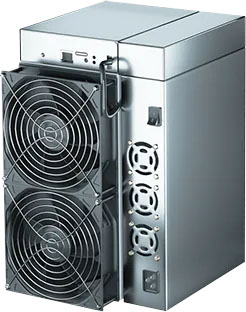
The Goldshell HS5 ASIC miner is a powerful unit designed primarily for Handshake (HNS), while also supporting Blake2B-Sia in dual mode.
For Handshake mining, the HS5 delivers:
-
Hash rate: approximately 5.4 TH/s (HNS)
-
Power consumption: approximately 2650 W
-
Power input: 176–264V AC
-
Cooling: dual high-speed fans
-
Noise level: ~80 dB
-
Network: Ethernet
The HS5 is designed for professional mining operations and requires stable infrastructure. Due to its power draw and noise level, it is not ideal for residential deployment without soundproofing.
Custom Firmware Optimization for Goldshell HS5
Many HS5 owners install Custom firmware to improve efficiency. Optimized firmware can:
-
Reduce power consumption by 10–20%
-
Stabilize hash rate under load
-
Fine-tune voltage settings
-
Improve thermal control
In competitive mining conditions, these adjustments can significantly improve daily net profit margins.
Goldshell HS6
The Goldshell HS6 ASIC miner represents an efficiency upgrade over earlier models.
Handshake performance:
-
Hash rate: approximately 6.6 TH/s (HNS)
-
Power consumption: approximately 3250 W
-
Voltage requirement: 220V
-
Cooling: industrial-grade multi-fan system
-
Form factor: rack-compatible
The HS6 focuses on higher performance density, delivering more terahashes per unit. However, power consumption is also increased, making efficiency optimization crucial.
Importance of Custom Firmware on Goldshell HS6
For HS6 operators, Custom firmware plays a central role in profitability strategy. By undervolting and optimizing frequency curves, miners can reduce watt-per-terahash ratios.
Custom firmware deployment often leads to:
-
Improved J/TH efficiency
-
Lower operational heat output
-
Extended hardware lifespan
-
Greater control over performance profiles
This level of control allows miners to adapt dynamically to electricity price fluctuations and market conditions.
Goldshell HS-BOX
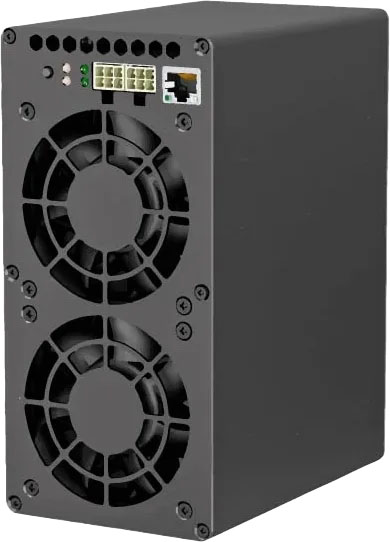
The Goldshell HS-BOX ASIC miner was designed for home and small-scale miners entering the Handshake ecosystem.
Specifications:
-
Hash rate: approximately 470 GH/s (0.47 TH/s)
-
Power consumption: approximately 230 W
-
Voltage: standard 110–240V
-
Noise level: significantly lower than industrial models
-
Compact desktop form factor
This ASIC miner provides an accessible entry point for individuals interested in HNS mining without industrial infrastructure.
Custom Firmware for Goldshell HS-BOX
The HS-BOX benefits significantly from Custom firmware, especially in home environments where noise and electricity efficiency matter.
Common improvements include:
-
Reduced fan noise
-
Lower power draw
-
Slight hash rate increase
-
Improved stability
Even a 10% efficiency improvement can noticeably impact ROI when operating in regions with moderate electricity costs.
Energy Efficiency and Long-Term Sustainability
In Handshake mining, long-term sustainability depends heavily on energy efficiency. ASIC miners with better watt-per-terahash ratios remain competitive longer as network difficulty increases.
Custom firmware becomes even more important during bear markets. When HNS prices decline, miners using optimized firmware often remain operational while others shut down due to unprofitability.
By reducing voltage and eliminating unnecessary overhead, Custom firmware directly improves mining margins and reduces hardware stress.
Goldshell Handshake ASIC Miners
On mining forums and social platforms, common discussion topics include:
-
Is HNS still profitable?
-
ROI timelines for HS6 vs HS5
-
Custom firmware download sources
-
Safe undervolting limits
-
Hash rate fluctuations
A recurring theme is that stock firmware often leaves efficiency margins unused. Many experienced miners recommend carefully tested Custom firmware as part of a serious mining strategy.
Risks and Considerations of Custom Firmware
While Custom firmware can improve profitability, miners should consider:
-
Warranty implications
-
Firmware source credibility
-
Proper cooling before overclocking
-
Gradual voltage adjustments
When applied responsibly, firmware optimization enhances performance without compromising hardware integrity.
Goldshell SH (Handshake) - custom firmware
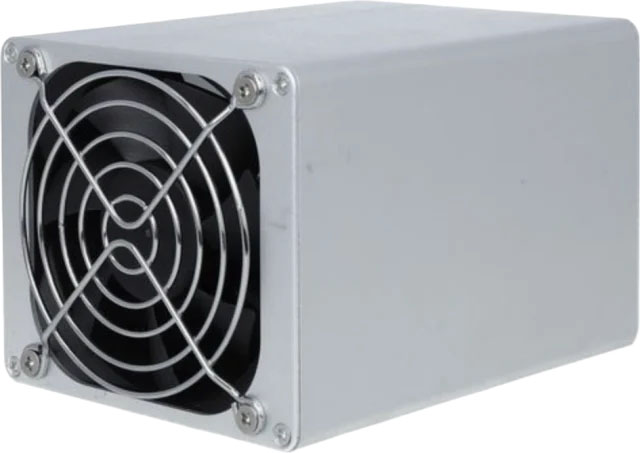
The Handshake algorithm powers the decentralized HNS ecosystem, and today it is mined almost exclusively using dedicated ASIC miner hardware. Goldshell ASIC miners, including HS5, HS6, and HS-BOX, offer solutions for both professional and home miners.
Profitability depends on market conditions, electricity costs, and miner efficiency. One of the most effective strategies for improving ROI is deploying Custom firmware, which can reduce power consumption, improve hash rate stability, and optimize voltage settings.
For serious Handshake miners, combining efficient ASIC hardware with intelligent firmware optimization is essential for maintaining competitiveness in a constantly evolving mining landscape.