Bitmain Antminer X3
|
ASIC Model:
|
ASIC Release: |
Hashrate:
|
ASIC Power:
|
|
ASIC Algo:
|
 Bitmain Antminer X3 Bitmain Antminer X3 |
May 2018 |
220kh/s
|
465W
|
 |
CryptoNight
|
Modified ASIC Firmware for Antminer X3
(15-18% improvement) download here
CryptoNight Mining Algorithm & ASIC Antminer X3
The CryptoNight mining algorithm played a crucial role in the evolution of privacy-focused cryptocurrencies and ASIC resistance debates. Designed originally to favor CPU and GPU miners, CryptoNight later became the target of specialized ASIC miners, most notably the Bitmain Antminer X3. This development permanently reshaped the CryptoNight mining landscape.
This article provides a deep technical explanation of CryptoNight, its mining properties, supported coins, difficulty changes, and a full technical breakdown of the Antminer X3 ASIC, including performance, power usage, real-world experiences, and long-term viability.
What Is the CryptoNight Mining Algorithm?
The CryptoNight algorithm is a Proof-of-Work (PoW) hashing algorithm originally developed to support privacy-centric cryptocurrencies, with Monero (XMR) as its most famous implementation.
CryptoNight was designed with the following goals:
-
Favor CPU mining
-
Limit ASIC dominance
-
Require large memory usage (memory-hard)
-
Encourage decentralization
The algorithm uses AES encryption, pseudo-random memory access, and large scratchpads to increase hardware requirements and reduce parallelization efficiency.
Why CryptoNight Was Considered ASIC-Resistant
CryptoNight attempted to slow down ASIC development through memory latency dependence, which made it inefficient to implement on fixed-function hardware.
Key resistance features included:
-
2 MB scratchpad per thread
-
Random memory access
-
AES-based cryptographic loops
-
Latency-bound computation
Despite these measures, ASIC manufacturers eventually succeeded in creating optimized silicon capable of outperforming GPUs by a massive margin.

Cryptocurrencies That Used CryptoNight
Before ASIC domination and algorithm changes, CryptoNight supported multiple major coins.
Major CryptoNight Coins (Historical)
-
Monero (XMR)(before RandomX fork)
-
Bytecoin (BCN)
-
Electroneum (ETN)
-
Aeon
-
Sumokoin
-
Karbo
Most of these networks later forked away from CryptoNight to restore ASIC resistance.
CryptoNight Difficulty and Network Impact
When ASIC miners like the Antminer X3 entered the network, CryptoNight difficulty increased dramatically within weeks.
This caused:
-
GPU and CPU miners to become unprofitable
-
Rapid centralization of hash power
-
Emergency hard forks by major projects
-
Community backlash against ASIC manufacturers
Monero famously forked to CryptoNight V7, then later to RandomX, effectively removing ASIC miners from its network.
Introduction to Antminer X3 ASIC
The Antminer X3 ASIC was Bitmain’s first and only large-scale CryptoNight ASIC miner, released in 2018. It marked a turning point in the CryptoNight ecosystem.
The Antminer X3 delivered orders of magnitude more hash power than GPUs, making it impossible for consumer hardware to compete.
Antminer X3 ASIC – Algorithm Support
The Antminer X3 ASIC was designed to mine:
-
CryptoNight
-
CryptoNight-Lite (limited support)
It does not support RandomX, CryptoNight-Heavy, or newer Monero variants.
Antminer X3 ASIC – Complete Technical Specifications
Before listing the specifications, it is important to understand that the Antminer X3 was optimized exclusively for original CryptoNight parameters, which limits its modern usability.
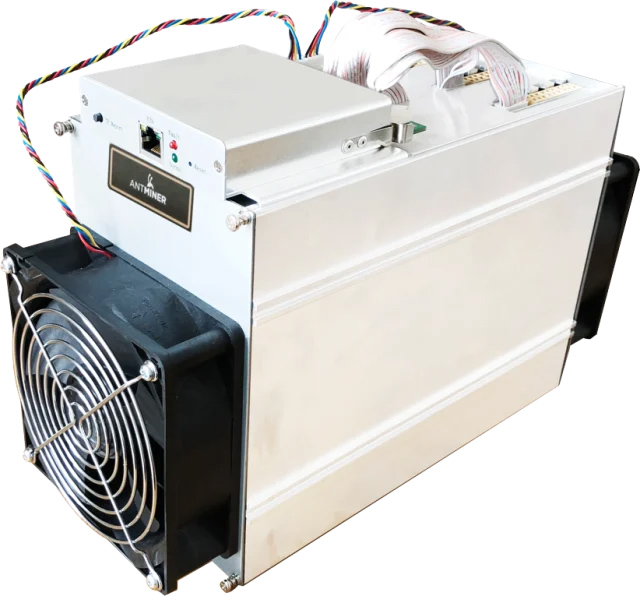
BitmainAntminer X3
Full Technical Data – Antminer X3 ASIC
-
Manufacturer: Bitmain
-
Model: Antminer X3
-
Algorithm: CryptoNight
-
Hashrate: ~220 kH/s
-
Power Consumption: ~465 W
-
Efficiency: ~2.1 J/H
-
Release Date: Q2 2018
-
Cooling: Dual 120 mm high-speed fans
-
Noise Level: ~72 dB
-
Voltage Input: 11.6 – 13.0 V
-
Network Connection: Ethernet
-
Operating Temperature: 0 – 40 °C
-
Humidity Range: 5 – 95%
At the time of release, this performance exceeded GPU mining capabilities by a significant margin.
Power Efficiency and Thermal Behavior
Compared to GPU rigs of its era, the Antminer X3 ASIC was considered extremely efficient.
Operational characteristics included:
-
Low total power draw
-
Moderate heat output
-
Stable 24/7 operation
-
Minimal tuning requirements
However, its fixed algorithm support made it vulnerable to network forks.
User Experiences With Antminer X3
User feedback from mining forums highlights a mixed reception.

Positive Experiences
-
Very high hash rate for CryptoNight
-
Easy setup and configuration
-
Stable operation
-
Lower maintenance than GPU rigs
Negative Experiences
-
Became obsolete after Monero fork
-
Limited resale value
-
No flexibility for other algorithms
-
ROI collapsed rapidly after forks
Many miners reported profitability lasting only weeks or months before networks removed ASIC compatibility.
ASIC Resistance Lessons From Antminer X3
The Antminer X3 became a historical example used by developers to justify frequent algorithm changes.
Its impact led to:
-
Faster fork cycles
-
New ASIC-resistant designs
-
Community-driven governance decisions
-
Development of RandomX
CryptoNight is now considered legacy technology in modern PoW design.
Current Use Cases for Antminer X3
Today, the Antminer X3 has limited relevance.
Possible uses include:
-
Mining low-difficulty legacy CryptoNight forks
-
Educational purposes
-
Algorithm research
-
ASIC resistance testing
It is not recommended for commercial mining.
Comparison: CryptoNight vs Modern Algorithms
Compared to modern PoW algorithms:
-
CryptoNight lacks adaptability
-
Fixed parameters enable ASIC optimization
-
Security assumptions are outdated
-
Modern CPUs outperform old CryptoNight ASICs in flexibility
RandomX and KawPoW are considered more robust today.
The CryptoNight mining algorithm and the Antminer X3 ASIC represent a pivotal chapter in cryptocurrency mining history. While CryptoNight aimed to resist ASICs, the Antminer X3 proved that no algorithm remains ASIC-resistant indefinitely.
Although the Antminer X3 is now obsolete for profitable mining, its role influenced modern algorithm design and reshaped the relationship between miners, developers, and hardware manufacturers.