Bitmain Antminer E11, E9, E3, G2
|
ASIC Model series:
|
ASIC Release: |
Hashrate:
|
ASIC Power:
|
|
ASIC Algo:
|
 Bitmain Antminer E11 Bitmain Antminer E11 |
Jan 2025 |
9.5Gh/s
|
2470W
|
 |
EtHash
|
|
Bitmain Antminer E11 |
Jan 2025 |
9Gh/s
|
2340W
|
|
EtHash
|
|
Bitmain Antminer E9 Pro |
Feb 2023 |
3.68Gh/s
|
2200W
|
|
EtHash
|
|
Bitmain Antminer E9 |
Jul 2022 |
2.4Gh/s
|
1920W
|
|
EtHash
|
|
Bitmain Antminer E3 |
Jul 2018 |
190Mh/s |
760W
|
|
EtHash
|
|
Bitmain Antminer E3 |
Jul 2018 |
180Mh/s |
800W
|
|
EtHash
|
|
Bitmain Antminer G2 |
Dec 2017 |
220Mh/s |
1200W
|
|
EtHash
|
Modified ASIC Firmware for Antminer E and G series
(25-30% improvement) download here
Bitmain Antminer E & G Series
The ASIC Bitmain Antminer E and G series represents a unique and historically important chapter in cryptocurrency mining. Unlike SHA-256 or Scrypt miners, these ASICs were designed for the Ethash algorithm, which for many years was dominated by GPU mining, especially on the Ethereum network.
The E-series miners were Bitmain’s attempt to bring ASIC efficiency into a GPU-centric ecosystem. While technically successful, their long-term viability was ultimately shaped not by hardware limitations, but by fundamental changes in blockchain consensus mechanisms, most notably Ethereum’s transition from Proof-of-Work (PoW) to Proof-of-Stake (PoS).
The most notable models in this category include:
-
Antminer E3
-
Antminer E9
-
Antminer E9 Pro
-
Antminer E11
-
Antminer G2
Ethash Algorithm
The Ethash algorithm was originally designed to be memory-hard, meaning it required large amounts of fast-access memory. This design goal aimed to slow down ASIC development and favor GPUs, which naturally have high memory bandwidth.
Key characteristics of Ethash include:
-
Large DAG (Directed Acyclic Graph) file
-
Frequent memory access
-
High VRAM requirements
-
Historically ASIC-resistant by design
Despite this, ASIC manufacturers eventually found ways to optimize memory access and build specialized Ethash ASIC miners, significantly outperforming GPUs in terms of efficiency.
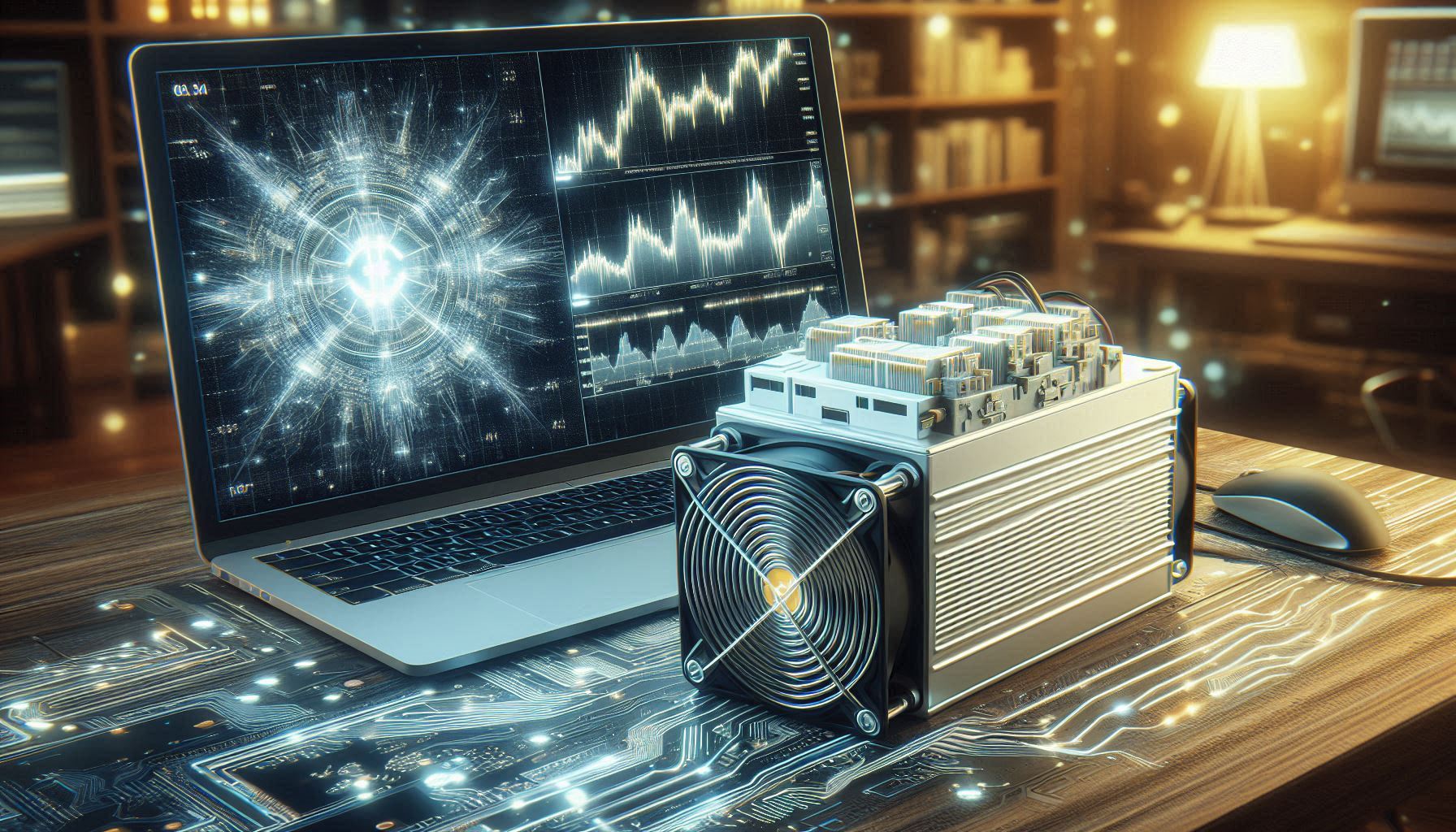
Coins Mined with Ethash ASIC Miners
Before the PoS transition, Ethash miners were primarily used for Ethereum (ETH) mining. Over time, other Ethash-based networks emerged, many of which are still mineable today.
Historically and currently mineable Ethash-based coins include:
-
Ethereum (ETH) – until the PoS merge
-
Ethereum Classic (ETC)
-
Ubiq (UBQ)
-
Callisto (CLO)
-
QuarkChain (QKC)
After Ethereum’s transition to PoS, Ethereum Classic became the primary remaining target for Ethash ASIC miners.
GPU Mining Era and ASIC
For many years, GPU mining dominated Ethash networks. GPUs offered flexibility, resale value, and sufficient performance to remain profitable even as difficulty increased.
The introduction of ASIC miners like the Antminer E3 disrupted this balance. ASICs delivered much higher efficiency, which:
-
Increased network difficulty
-
Reduced GPU mining profitability
-
Concentrated mining power in large farms
This shift created strong debate within the Ethereum community about decentralization and fairness.
Ethereum Transition from PoW to PoS
In 2022, Ethereum completed “The Merge,” transitioning from Proof-of-Work to Proof-of-Stake. This event fundamentally changed the mining landscape.
Key consequences included:
-
Complete end of Ethereum mining
-
Instant obsolescence of ETH-focused ASICs
-
Massive GPU hashrate migration to other networks
-
Collapse of GPU mining profitability
For Ethash ASICs, this marked a turning point from primary mining hardware to niche or legacy equipment.
Antminer E & G Models
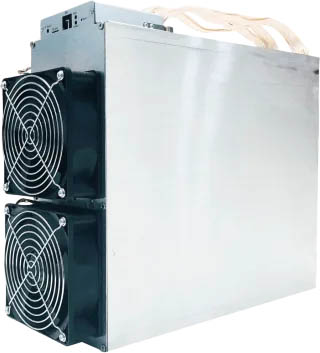
ASIC Bitmain Antminer E3
The ASIC Antminer E3 was Bitmain’s first Ethash ASIC and caused widespread disruption upon release.
It quickly became unprofitable due to DAG size increases, which exceeded its onboard memory capacity.
ASIC Bitmain Antminer E3
Typical specifications included:
-
Algorithm: Ethash
-
Hashrate: ~180 MH/s
-
Power Consumption: ~800 W
-
Energy Efficiency: ~4.4 J/MH
-
Cooling: Air-cooled
-
Release period: 2018
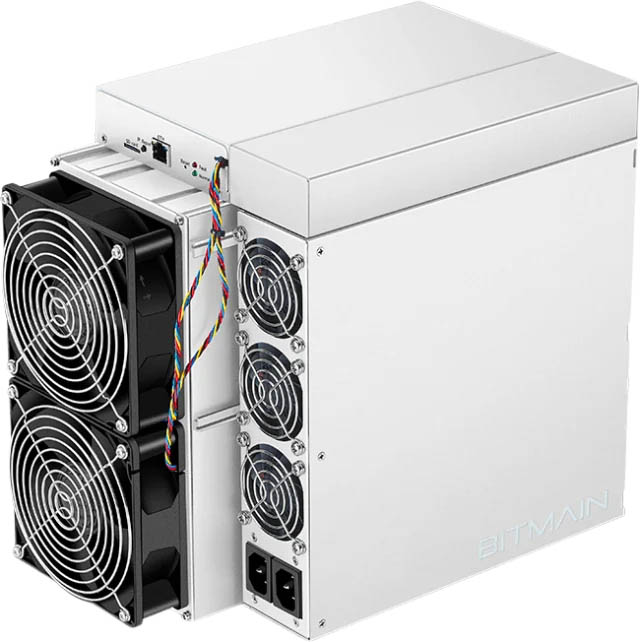
ASIC Bitmain Antminer E9
The ASIC Antminer E9 represented a massive leap in Ethash ASIC performance and efficiency, far surpassing GPU rigs.
This model was widely deployed for Ethereum mining shortly before the PoS transition.
ASIC Bitmain Antminer E9
Typical technical parameters include:
-
Algorithm: Ethash
-
Hashrate: ~2.4 GH/s
-
Power Consumption: ~1,920 W
-
Energy Efficiency: ~0.8 J/MH
-
Cooling: Air-cooled
-
Release period: 2021
ASIC Bitmain Antminer E9 Pro
The ASIC E9 Pro is an optimized version of the E9, offering higher hashrate at increased power draw.
It was aimed at professional mining operations seeking maximum output before Ethereum’s transition.
Typical specifications include:
-
Algorithm: Ethash
-
Hashrate: ~3.6 GH/s
-
Power Consumption: ~2,200 W
-
Energy Efficiency: ~0.61 J/MH
-
Cooling: Air-cooled
-
Release period: 2022
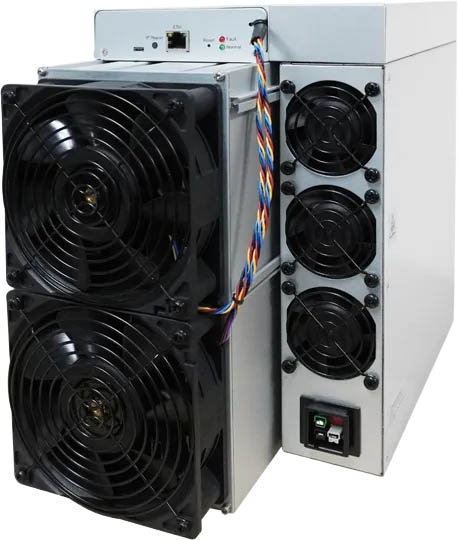
ASIC Bitmain Antminer E11
The ASIC Antminer E11 is a later-generation Ethash ASIC designed primarily for Ethereum Classic rather than Ethereum.
It offers improved efficiency and long-term stability for ETC mining.
ASIC Bitmain Antminer E11
Typical parameters include:
-
Algorithm: Ethash
-
Hashrate: ~9 GH/s
-
Power Consumption: ~2,300–2,500 W
-
Energy Efficiency: ~0.27 J/MH
-
Cooling: Air-cooled
-
Release period: 2024–2025
ASIC Bitmain Antminer G2
The ASIC Antminer G2 is positioned as a multi-purpose Ethash ASIC optimized for post-Ethereum networks.
It targets miners focused on ETC and smaller Ethash chains.
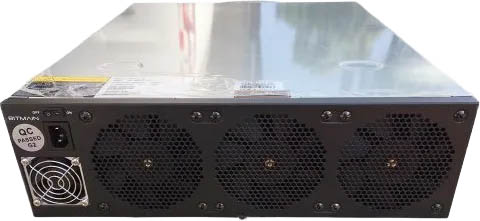
ASIC Bitmain Antminer G2
Typical characteristics include:
-
Algorithm: Ethash
-
Hashrate: ~1.6–1.8 GH/s
-
Power Consumption: ~1,300–1,500 W
-
Energy Efficiency: ~0.8–0.9 J/MH
-
Cooling: Air-cooled
-
Release period: 2023
Mining Pools for Ethash ASICs
With Ethereum mining gone, Ethash ASICs are mainly connected to Ethereum Classic pools.
Commonly used pools include:
-
2Miners (ETC)
-
Ethermine (ETC)
-
F2Pool (ETC)
-
Hiveon Pool
Current Market Status ASIC Antminer ETH
Today, Ethash ASIC miners are considered high-risk and niche hardware. Their profitability depends heavily on ETC price, electricity cost, and network hashrate.
Many units are available on the secondary market at steep discounts.
Profitability and ROI Reality ASIC E11, E9, G2
ROI for Ethash ASICs is highly uncertain.
Key factors include:
-
Strong dependence on ETC price
-
Competition from repurposed GPUs
-
Limited coin diversity
-
Risk of further protocol changes
In many cases, these miners are used only where electricity is extremely cheap or free.
User Experience ETH ASIC Antminer
User feedback reflects the turbulent lifecycle of Ethash ASICs.
Common experiences include:
-
Excellent performance pre-Merge
-
Sudden loss of profitability post-Merge
-
Stable hardware but limited use cases
-
Good build quality on E9/E11 models
Common Failures and Maintenance ASIC Antminer
Typical failure points mirror other ASIC families:
-
Fan wear
-
PSU degradation
-
Hashboard memory issues
-
Dust-related overheating
Repairability is moderate, but declining demand limits spare-part availability.
Are Antminer E & G Series Still Worth It?
The Bitmain Antminer E and G series serves as a reminder that protocol risk can outweigh hardware quality. While technically impressive, these miners were heavily impacted by Ethereum’s shift to Proof-of-Stake.
Today, they are suitable only for specialized ETC-focused operations with cheap electricity and high risk tolerance. For most miners, newer ASIC families offer more predictable long-term value.