Bitcoin Bitmain Antminer T19
|
ASIC Model series:
|
ASIC Release: |
Hashrate:
|
ASIC Power:
|
|
ASIC Algo:
|
 Bitmain Antminer T19 Pro Hyd Bitmain Antminer T19 Pro Hyd |
Feb 2024 |
235 Th/s
|
5170 W
|
 |
SHA-256
|
|
Bitmain Antminer T19 Hydro |
Oct 2022 |
158 Th/s
|
5451 W
|
|
SHA-256
|
|
Bitmain Antminer T19 Hydro |
Oct 2022 |
145Th/s
|
5438 W
|
|
SHA-256
|
|
Bitmain Antminer T19 |
Aug 2021 |
88 Th/s
|
3344 W
|
|
SHA-256
|
|
Bitmain Antminer T19 |
Jun 2020 |
84 Th/s
|
3150 W
|
|
SHA-256
|
Modified ASIC Firmware for Antminer T19 series
(5-15% improvement) download here
Bitmain Antminer T19 ASIC Miner Bitcoin
The Bitmain Antminer T19 is a high-performance SHA-256 ASIC miner designed primarily for Bitcoin (BTC) and Bitcoin Cash (BCH) mining. Released as part of Bitmain’s 19th-generation Antminer series, the T19 strikes a balance between high hash rate, energy efficiency, and operational stability, making it a popular choice among both small-scale and industrial miners.
This article provides a comprehensive technical overview of the Antminer T19, consolidating all variants into a single operational range, while highlighting real-world user experiences from mining communities, custom firmware options, and strategies for overclocking and efficiency optimization.
Overview of the Bitcoin SHA-256 Algorithm
The SHA-256 algorithm underpins both Bitcoin and Bitcoin Cash mining. It is a standard Proof-of-Work hashing algorithm characterized by high computational intensity and ASIC-friendly design. SHA-256 mining has been dominated by ASICs for over a decade, and machines like the T19 are engineered to deliver maximum hash rate per watt, rendering GPU and CPU mining obsolete for these networks.
Bitmain Bitcoin Antminer T19
The Antminer T19 is a single-algorithm ASIC miner using Bitmain’s BM1397 chips, featuring advanced power management and high-density hashboards. Unlike previous generations, the T19 focuses not only on raw performance but also on energy efficiency and long-term stability, making it suitable for both hosted farms and dedicated industrial operations.
While some sources distinguish minor “T19 batches” by firmware version or factory binning, all T19 units share the same fundamental hardware architecture. Variations in hash rate and power draw are mostly due to binning tolerance, power supply differences, and firmware settings.
Coins Mined With Antminer T19 for Bitcoin
As a SHA-256 ASIC, the Antminer T19 primarily mines:
-
Bitcoin (BTC) – the dominant target of T19 mining
-
Bitcoin Cash (BCH) – fully compatible with the same algorithm
-
Other SHA-256 coins – including Bitcoin SV (BSV) and various smaller forks
Users often focus on merged mining strategies for efficiency, though BTC remains the primary driver of profitability.
Bitcoin miner Antminer T19 (All Batches)
All Antminer T19 units operate within a fairly tight range of specifications. Presenting them as a unified range reflects the minor differences caused by chip binning and firmware tuning:
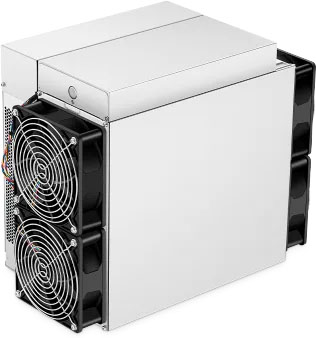
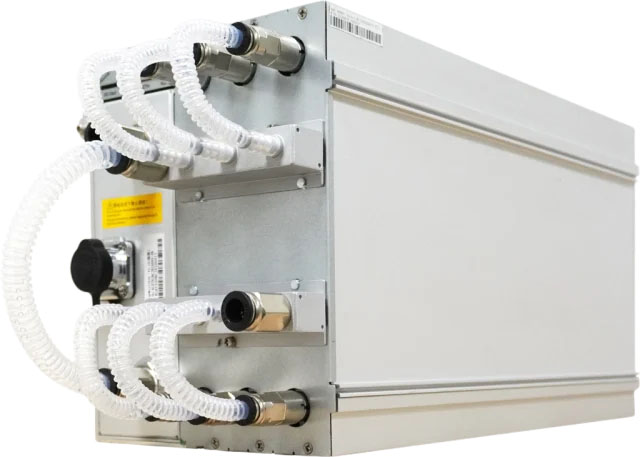
-
Algorithm: SHA-256
-
Hashrate Range: approximately 84 TH/s to 95 TH/s (stock firmware)
-
Power Consumption Range: ~3150 W to 3420 W
-
Energy Efficiency: ~34–36 J/TH
-
Chip Model: BM1397
-
Release Date: mid-2020
-
Cooling System: dual high-speed fans
-
Noise Level: ~75–77 dB
-
Input Voltage: 200–240 V AC
-
Network Interface: Ethernet
-
Operating Temperature: 5–40 °C
Many miners report that minor variations in hash rate and efficiency are largely influenced by ambient temperature, PSU stability, and firmware settings, rather than significant hardware differences between batches.
Power Consumption for Bitcoin ASIC miner Antminer T19
Users consistently emphasize that the T19 is power-dense and requires robust infrastructure. A typical T19 unit produces significant heat that must be removed to maintain hashboard longevity. Inadequate ventilation can lead to thermal throttling and shortened component life. Most operators recommend hosting in dedicated mining rooms or industrial facilities with forced air circulation.
Power quality is equally important. Fluctuations in voltage can lead to reboots or hashboard errors. Several discussions in mining forums highlight that using high-quality PSUs and surge protection is critical to maintain consistent uptime.
Bitcoin ASIC Antminer T19 User Experiences
Mining forums, Reddit discussions, and Telegram groups provide extensive feedback on T19 performance. Users praise the unit’s stability and reliability, noting that, unlike some previous Antminer generations, the T19 rarely requires frequent reboots. Hash rates remain consistent over weeks or months of continuous operation when cooling is sufficient.
Negative points frequently mentioned include the high upfront cost and the continuous noise level, which makes the T19 unsuitable for home operation. While less loud than industrial L7s, the T19 still produces a noticeable hum in smaller rooms, particularly when multiple units are operating together.
Antminet T19 Custom Firmware Bitcoin mining
A significant number of miners install custom firmware to optimize performance and efficiency. Popular firmware solutions allow adjustments to fan speed, hashboard frequency, voltage limits, and reporting metrics. Community experience shows that firmware optimization can increase hashrate slightly, reduce power consumption, or both, without compromising long-term reliability when applied carefully.
Bitcoin Antminer T19 Overclocking, Tuning
Experienced miners sometimes apply moderate overclocking to increase hash rate beyond factory settings. Reports from forums suggest that stable overclocking can increase hashrate by 5–15%, although it comes at the cost of higher energy consumption and thermal output. Careful monitoring of chip temperature and fan speed is essential to prevent overheating.

ASIC Antminer T19 Undervolting for Energy Efficiency
Many T19 operators use undervolting to reduce energy consumption without sacrificing significant hash rate. This practice lowers fan speed, reduces heat output, and extends chip lifespan. Community discussions consistently emphasize that undervolting is one of the safest and most effective ways to optimize the T19 for profitability in high-electricity environments.
Firmware Risks and Bitcoin
Custom firmware can void the Bitmain warranty, so many users only apply firmware after warranty expiration or for older units. Mining community guidelines strongly recommend incremental changes and constant monitoring to avoid hashboard damage or controller failures.
ASIC Antminer T19 for Bitcoin Mining
The Antminer T19 maintains solid resale value due to its continued relevance for SHA-256 mining. Spare parts are widely available, and Bitmain’s firmware updates continue to support stable operation. Proper maintenance—including dust removal, PSU checks, and temperature control—ensures long-term reliability and consistent revenue.
Is the Antminer T19 Still a Top-Tier SHA-256 ASIC?
While newer models like the S19 Pro have slightly higher hash rates and efficiency, the T19 remains a highly competitive industrial-grade ASIC miner, particularly for operators who value stability, lower noise, and reliable efficiency. Combined with careful firmware optimization, overclocking, or undervolting, the T19 can continue to generate significant mining returns.
The Bitmain Antminer T19 is a reliable, high-performance SHA-256 ASIC that balances power, efficiency, and long-term operational stability. By consolidating all variants into a single technical overview, it becomes clear that the T19’s strengths lie not only in its raw hash rate but also in its flexibility for optimization through firmware tuning, overclocking, and undervolting. For professional miners with the right infrastructure, it remains a robust and profitable choice.